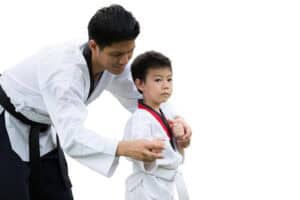
A teenager throws a clean jab for the first time, hears the mitt crack, and immediately stands a little taller. That moment is one reason parents consider martial arts. But the question comes first: is Muay Thai safe for teens? It can be, provided the program treats young athletes like developing students, not smaller versions of adult fighters.
Muay Thai is a demanding sport. It teaches punches, kicks, knees, elbows, clinch work, conditioning, and composure under pressure. That does not mean a teen needs to be thrown into hard sparring or fight preparation on day one. Safe youth training is built on technical progression, coach supervision, controlled contact, and a culture where ego never outruns good judgment.
Is Muay Thai Safe for Teens When It Is Taught Correctly?
Yes, for most healthy teens, Muay Thai can be a safe and highly constructive activity when instruction is age-appropriate. The key phrase is when it is taught correctly. A quality program does not measure toughness by how much punishment a student absorbs. It measures progress through attention, balance, discipline, technique, conditioning, and the ability to train responsibly with partners.
Like basketball, football, wrestling, or any other athletic activity, Muay Thai carries injury risk. Sprains, bruises, sore muscles, and occasional impact-related injuries are possible. The risk rises sharply when students are poorly supervised, rushed into contact, matched carelessly, or encouraged to ignore pain. Those are coaching problems, not requirements of learning the sport.
For teens, the goal should usually be skill development and athletic growth first. Competition can be an option later for families who want it, but it should never be the assumed destination. A student can gain real fitness, confidence, and practical striking ability without ever stepping into a ring.
What Safe Teen Muay Thai Training Looks Like
A serious youth program has structure. Teens should learn how to stand, move, guard, strike, defend, and control distance before they are asked to work at speed. Coaches should break down techniques, correct bad habits early, and make sure students understand the difference between practicing a strike and trying to hurt a training partner.
Pad work and bag work are valuable because they allow teens to develop power, timing, and coordination without exchanging unnecessary contact. Partner drills should be controlled and purposeful. Students need clear rules about where they can strike, how hard they can strike, and when to stop.
Sparring deserves special attention. It is useful for experienced students because it teaches distance, timing, decision-making, and emotional control. But it is not a shortcut, and it should not be a rite of passage. Light, technical sparring with proper protective equipment, close supervision, and well-matched partners is very different from a gym culture that lets teenagers trade heavy shots to prove themselves.
A coach should also be comfortable holding a teen back. Sometimes the safest and smartest answer is, “Not yet.” That might apply to sparring, advanced techniques, competition, or simply training through fatigue. Good coaching protects the student’s long-term development, even when the student is eager to move faster.
The Role of Protective Equipment
Gloves, hand wraps, shin guards, a mouthguard, and appropriate head protection where required are part of responsible contact training. Equipment reduces risk, but it is not permission for reckless behavior. A mouthguard cannot replace control. Headgear cannot make repeated hard contact a good idea.
Parents should ask how equipment is used and enforced. They should also ask whether teens are taught to wrap their hands correctly, because wrist and knuckle protection matters when students are hitting pads and bags regularly. Clean, properly fitted gear is basic gym professionalism.
Physical Conditioning Matters Too
Safe Muay Thai is more than striking. Teens need strength, mobility, coordination, and conditioning that fit their stage of development. Training should improve posture, body awareness, balance, and endurance rather than grinding students into exhaustion every class.
A well-run class challenges teens, but it also teaches them how to pace themselves. They learn that disciplined effort is different from reckless effort. That lesson carries over to school sports, academics, work, and the rest of life.
The Benefits Go Beyond Self-Defense
Parents often ask about safety because they see the physical side of combat sports. They should also look at what structured training can build. Muay Thai gives teens a clear outlet for energy and stress. It asks them to listen, follow instructions, work through discomfort, and stay composed when something feels difficult.
Many teens also gain confidence from competence. They do not need empty encouragement when they can feel their footwork improve, land a combination cleanly on pads, or finish a conditioning round they once found intimidating. That confidence is earned, and earned confidence tends to show up outside the gym.
There is also a social benefit when the training room is run well. Teens train alongside people who are working toward improvement. They learn respect for partners, coaches, and boundaries. The best gyms create accountability without humiliation. Students are expected to work hard, but they are not mocked for being new or making mistakes.
When Muay Thai May Not Be the Right Fit Yet
Muay Thai is not automatically the right choice for every teen at every moment. A teen recovering from a concussion, significant joint injury, fracture, or medical condition should get guidance from an appropriate healthcare professional before participating. Parents should share relevant health information with the coach so training can be adjusted when needed.
Readiness matters emotionally as well. Some teens thrive with the focus and physical challenge of martial arts. Others may need more time before they are comfortable with close-contact drills or a structured class environment. That is okay. The right program meets students where they are and helps them progress without forcing them to perform for others.
It is also fair to reconsider a gym if the environment feels wrong. Warning signs include coaches who dismiss injuries, students who spar hard without oversight, pressure to compete, chaotic classes, or a culture that glorifies getting hurt. A teen does not need to be coddled, but they do need adults who take responsibility for the room.
Questions Parents Should Ask Before Enrolling
Before choosing a program, ask how the coach introduces contact and sparring for teens. Find out whether classes are separated by age, size, experience, or maturity when appropriate. Ask how injuries are handled, what safety equipment is required, and whether competition is optional.
Watch a class if you can. Look for clear instruction, active supervision, and students who are working hard without being reckless. Notice whether the coach knows names, offers corrections, and keeps a close eye on partner drills. Personal attention is not a luxury in a martial arts gym. It is part of keeping training productive and safe.
At Beltrante Fighting Systems, youth instruction is approached as a process. Students are coached to build fundamentals, conditioning, and confidence step by step. Whether a teen wants a new challenge, better fitness, practical skills, or a possible path toward competition, the training should match the student, not force the student into one mold.
A Smart Start Builds a Stronger Athlete
The safest way for a teen to start Muay Thai is with a beginner-friendly class, realistic expectations, and an honest conversation with the coach. There is no need to rush. Let them learn the stance, the guard, the mechanics, and the discipline behind every technique.
A good first class should leave a teen challenged, encouraged, and excited to improve, not intimidated or beaten up. Give them the chance to get out of their comfort zone in a controlled setting. That is where real confidence starts.