You want a youth martial arts program that does more than just teach punches and kicks. At Beltrante Fighting Systems, kids in Norristown build confidence, discipline, and real self-defense skills in a safe, structured setting. This blog breaks down what to expect—from class routines to safety measures—so you know exactly how your child will grow. Ready to see how our certified Muay Thai coaches guide every step?
Building Confidence and Discipline
Martial arts offer more than physical training; they build character and mental strength. At Beltrante Fighting Systems, your child gains these benefits in a nurturing environment.
Benefits of Martial Arts for Kids
Enrolling your child in martial arts can lead to numerous improvements. Kids often develop better focus and self-control. Classes teach them to set goals and work steadily toward them. The supportive atmosphere also fosters teamwork. As they progress, their confidence grows. They learn to handle challenges both in class and in life. You’ll notice them becoming more resilient over time. These skills apply outside the gym, helping in school and interactions with peers. The structured routine of martial arts is a great way to channel energy and improve behavior. Your child will not only learn kicks and punches but also life-long skills.
Developing Discipline Through Training
Discipline is key in martial arts. It starts with simple tasks: showing up on time, wearing the right gear, and following the instructor’s directions. These small actions build into larger habits. Students learn the importance of practice and consistency. Each class provides a chance to refine skills and improve focus. As they work toward mastering techniques, they build perseverance. Over time, this discipline becomes second nature. It applies to all areas of life, enhancing schoolwork and daily responsibilities. Your child learns that hard work leads to success, fostering a mindset of continuous improvement.
Fostering a Supportive Community
Martial arts classes are about more than just individual achievement. They create a sense of community. Children train together, encouraging each other along the way. This mutual support builds friendships and teaches teamwork. Your child will feel part of something bigger than themselves, creating bonds that extend beyond the gym. The dojo becomes a second home where respect and encouragement flourish. This sense of belonging boosts confidence and motivation. Your child will enjoy coming to class, knowing they are part of a positive, supportive group working toward common goals.
Safe and Structured Class Environment
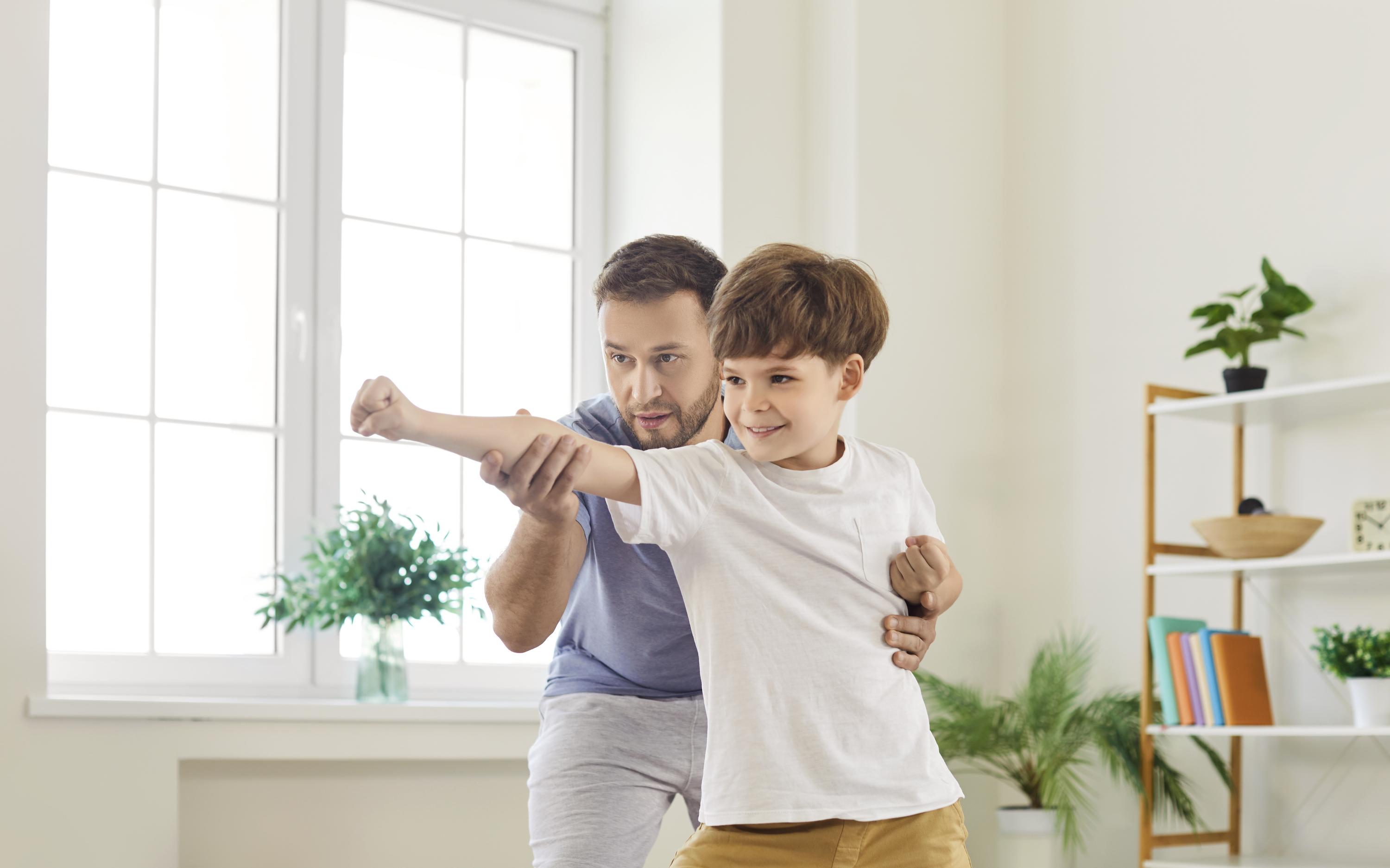
Safety and structure are top priorities at Beltrante Fighting Systems, ensuring a secure learning environment for all students.
Class Structure and Safety Protocols
Classes follow a consistent structure to keep things organized. Every session starts with a warm-up to prevent injuries. Instructors focus on teaching proper techniques safely. They use clear instructions and demonstrations. Safety gear like gloves and pads are standard, ensuring protection during practice. Instructors monitor closely to maintain a safe environment. Parents can feel confident that their children are learning in a setting that prioritizes safety. This structured approach allows kids to focus on learning, knowing they are well-protected.
Certified Coaches and Small-Group Attention
Our coaches hold certifications and bring extensive experience to the classroom. They understand the unique needs of young learners. Small class sizes ensure every child gets personal attention. Coaches can tailor instructions to each student’s level, promoting steady progress. This hands-on approach helps children learn effectively and confidently. Coaches provide feedback and encouragement, building trust and rapport with students. This personalized attention ensures that every student feels supported and understood, fostering a positive learning experience.
Progression and Milestones
Students advance at their own pace, celebrating milestones along the way. They start with basic techniques and move on to more complex skills as they grow. Each achievement boosts confidence and motivates further learning. The structured curriculum allows kids to track their progress. Parents can see their child’s development through regular updates and achievements. This clear path of progression keeps students engaged and eager to reach the next level. It reinforces the value of hard work and dedication, encouraging continuous improvement.
Practical Self-Defense and Fitness Skills
Beyond mental growth, martial arts provide practical skills in self-defense and fitness, ensuring a well-rounded development.
Real Self-Defense Techniques for Children
Instructors teach age-appropriate self-defense techniques. These lessons focus on real-world scenarios kids might face. They learn how to react calmly and effectively in challenging situations. This training empowers them to protect themselves if necessary. Techniques are taught with care, ensuring they understand the importance of using skills responsibly. This knowledge gives children a sense of security, knowing they can handle themselves if needed. It’s not just about physical defense but also building the confidence to stand up for themselves.
Athletic Development and Conditioning
Martial arts training improves overall fitness. Kids develop better balance, coordination, and flexibility. Classes include exercises that boost strength and endurance. This athletic conditioning supports their growth and enhances physical health. Children become more agile and learn to control their bodies better. These physical skills translate into other sports and activities, enhancing their overall athletic ability. Regular training sessions keep kids active and healthy, promoting a lifestyle of fitness and well-being.
Anti-Bullying Training and Confidence Building
Martial arts instill confidence, reducing the likelihood of bullying. Kids learn to assert themselves calmly and respectfully. This self-assurance helps them stand up to bullies and support others facing bullying. Classes teach respect and empathy, promoting a positive, inclusive attitude. Students learn to communicate effectively and resolve conflicts peacefully. This training builds a community of kids who support and look out for one another. It fosters an environment where bullying is less likely to occur, and students feel empowered to create positive change.
Frequently Asked Questions
What age can children start martial arts?
Children can begin martial arts training as young as four years old. Early classes focus on basic movements and discipline in a fun and engaging way.
How often should my child attend classes?
For optimal progress, attending two to three classes per week is recommended. This frequency helps reinforce skills and maintain fitness levels.
Is martial arts safe for young children?
Yes, our classes prioritize safety with certified instructors and appropriate gear. Techniques are taught gradually, ensuring a safe learning environment.
What should my child wear to class?
Comfortable workout clothes are suitable for beginners. As they advance, specific uniforms may be required, which instructors will inform you about.
Will martial arts help my child with confidence issues?
Absolutely. Martial arts training builds self-esteem through skill mastery and personal achievement, helping children become more confident in themselves.