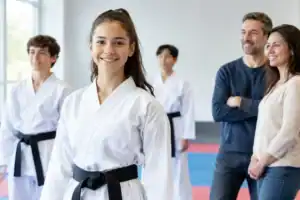
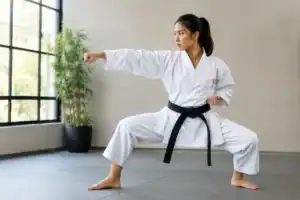
Self-defense training in Norristown isn’t just about throwing punches—it’s about sharpening your situational awareness skills, staying calm when pressure hits, and being ready for anything. When you train with Beltrante Fighting Systems, you build more than strength: you gain confidence that shows up the moment it counts. Ready to see how calm decision-making under pressure can change your life? Book your free intro martial arts class today and take the first step toward real-world readiness. Learn more.
Building Situational Awareness
Strong awareness can mean the difference between avoiding danger and walking into it. Training helps you notice subtle cues and understand your surroundings better.
Training Drills for Awareness
Simple exercises can change how you see the world. Start with a partner: face each other and take turns describing your surroundings. This sharpens the focus on details you might usually miss. Another method is shadowing. Follow someone from a distance, observing their movements without getting detected. These exercises train your mind to notice everything around you, even in busy environments.
Visual exercises are also valuable. Use memory games where you recall details after looking at a scene briefly. This boosts your recall ability and helps you remember important details quickly. With practice, you’ll find yourself more alert and aware of your environment.
Scenario Practice Techniques
Role-playing scenarios bring real-life situations to training. Imagine being in a crowded place and spotting potential threats. Practicing responses in such settings improves your reaction times and decision-making. Set up different scenarios with varying levels of complexity.
Another technique is using props and settings that mimic everyday environments. This helps you practice how you’d react in different situations. These scenario practices build your confidence, ensuring you’re ready for anything that comes your way.
Enhancing Situational Awareness Skills
Strengthening these skills goes beyond exercises. It’s about adopting a mindset of constant awareness. Practice mindfulness daily. Focus on the present moment, letting go of distractions. This keeps your attention sharp and responses quick.
Incorporate technology if needed. Use apps designed to improve memory and observation. These tools aid in honing your skills over time. The key is consistency. Just like physical training, mental skills need regular practice to stay sharp.
Mastering Calm Decision-Making
Being aware is only the first step. Making calm decisions in tense situations is crucial. Here’s how to build that skill.
Breathing and Stance Techniques
Breathing plays a vital role in maintaining calm. Practice deep breathing exercises daily. Inhale slowly, hold, and then exhale. This regulates your heart rate and reduces anxiety. Pair this with a strong stance. Stand firm, with feet shoulder-width apart, and distribute your weight evenly. This stance grounds you, enabling better control over your emotions.
Focus also on relaxation techniques. When faced with stress, a relaxed body helps maintain a clear mind. Practice muscle relaxation, starting from your toes and working upwards. With these techniques, you’ll handle pressure more effectively.
Simple Protocols Under Pressure
Establishing protocols aids in decision-making. Develop a simple checklist for emergencies. This ensures you don’t miss critical steps when under pressure. Practice these protocols regularly, until they become second nature.
Role-play with friends or instructors. Simulate high-stress situations and practice sticking to your protocols. This prepares you for real-life scenarios where staying calm is crucial. Regular practice solidifies these habits, making your response automatic.
Achieving Calm Decision-Making Skills
Building these skills requires time and patience. Start with small challenges and gradually increase complexity. Reflect on each experience, noting what worked and what didn’t. This self-analysis refines your approach.
Incorporate feedback from peers and instructors. Constructive criticism helps fine-tune your skills. Emphasize learning from each experience, not just the outcome. This mindset promotes growth and resilience.
Preparing for Real-World Readiness
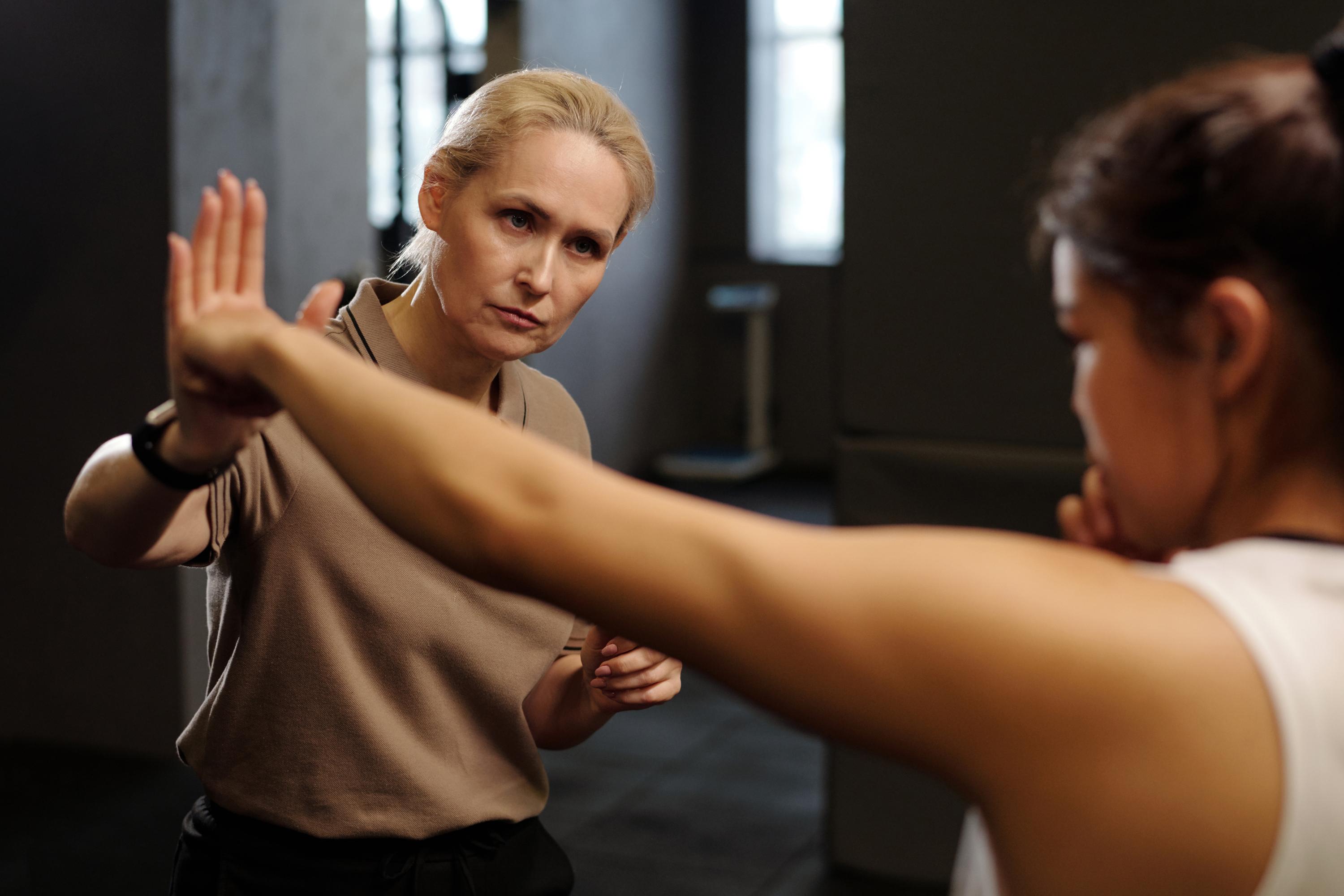
Ready for anything means consistent training and awareness. It’s not just about the physical; it’s about mental preparedness too.
Consistent Training for Confidence
Regular practice builds confidence. Attend classes consistently to reinforce your skills. Each session adds to your knowledge and boosts self-assurance. The more you practice, the better you become at handling various situations calmly.
Engage in group activities. Training with others provides different perspectives and challenges. This broadens your experience, preparing you for diverse real-world situations.
Personal Safety Classes Overview
Personal safety classes provide essential skills for everyday life. They teach you how to avoid dangerous situations and protect yourself if needed. These classes cover a range of techniques, from self-defense to situational awareness.
Each session focuses on practical strategies that you can apply immediately. The goal is to equip you with the knowledge needed to stay safe in any environment.
Benefits of Fitness and Self-Defense Training
The benefits extend beyond safety. Fitness and self-defense training improves physical health, boosting endurance and strength. The mental benefits are equally significant. Training enhances focus, discipline, and confidence, empowering you to face life’s challenges head-on.
Participating in these activities fosters a sense of community. You’re not just training; you’re part of a supportive group, all working towards similar goals. This camaraderie enhances the experience, making it enjoyable and fulfilling.
Frequently Asked Questions
What is situational awareness, and why is it important?
Situational awareness involves understanding your environment and recognizing potential threats. It is crucial because it allows you to anticipate and avoid danger, ensuring your safety.
How can breathing techniques help in decision-making?
Breathing techniques calm the mind and regulate the body’s stress response. This helps you think clearly and make better decisions in high-pressure situations.
What should I expect in a personal safety class?
Personal safety classes teach practical skills for self-defense and avoiding threats. They cover techniques that can be applied immediately, enhancing your safety in everyday situations.
How does self-defense training benefit mental health?
Self-defense training boosts confidence, focus, and discipline. It reduces anxiety by preparing you to handle challenging situations, contributing positively to mental well-being.
Why is consistent training important for building confidence?
Consistent training reinforces skills and knowledge, boosting self-assurance. Regular practice makes handling various situations second nature, increasing your overall confidence.